BLACK FRIDAY deals live across the site – up to 30% off all courses! - code: BF26WEEK3EUR


18 November 2026
Tailoring PRINCE2® Project Management: how to make it fit your project
Tailoring PRINCE2® Project Management means adapting the method to suit a project’s context, including how its practices and processes are applied. Roles and management products may also be adapted ac...
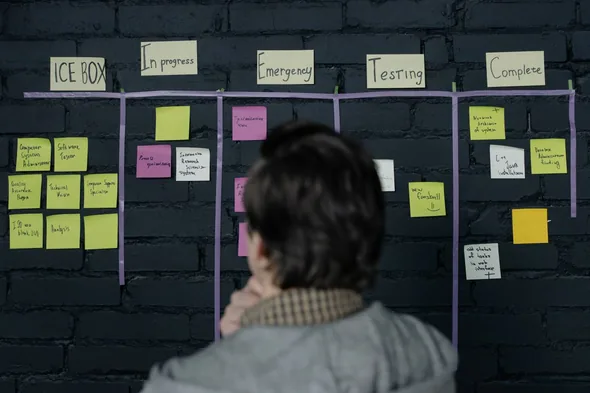
Tailoring PRINCE2® Project Management means adapting the method to suit a project’s context, including how its practices and processes are applied. Roles and management products may also be adapted according to the project’s needs, size, complexity or risk. The seven principles remain fundamental, and tailoring is itself one of them: tailor to suit the project.
PRINCE2 Project Management is designed to work across projects of different sizes and levels of complexity. Tailoring prevents the method becoming unnecessarily burdensome on straightforward work and allows stronger controls where a project needs them.
What does tailoring mean in PRINCE2 Project Management?
Tailoring the methodology means deciding how it should be applied to a particular project rather than following the same implementation every time. The project’s scale and risk will influence those decisions, as will its delivery method and organisational context.
The principle of tailoring encourages project teams to use judgement. Applying more documentation or control than the project needs creates administrative burden without necessarily improving management.
PRINCE2® Project Management Foundation and Practitioner training covers how the method’s elements work together. Organisation wide adoption is a separate question; our guide on how to tailor PRINCE2 Project Management to your organisation explores that wider context.
What can and cannot be tailored?
The tailor to suit the project principle allows considerable flexibility, but the method retains its underlying principles. A project team adapts how the methodology is used without losing the characteristics that make the approach recognisably PRINCE2.
| Element | Tailoring approach |
| Seven principles | Cannot be tailored; all seven must always be applied |
| Practices | Adapt their application to the project context |
| Processes | Adapt how they are applied and the level of formality involved |
| Management products | Adjust their format and level of detail |
| Roles | Combine where appropriate, provided responsibilities remain clear |
| Terminology | Use language familiar to the organisation or project team |
PRINCE2 Project Management (Version 7), previously called PRINCE2 7, also gives greater prominence to people. Tailoring therefore needs to consider the individuals involved in the project and how they work together, rather than concentrating solely on process or documentation.
How to tailor PRINCE2 for your project
Effective tailoring starts with the project’s circumstances. Decisions made at initiation should be documented, then reconsidered if the context changes.
Small or simple projects
For a small budget project, compatible roles may be combined and related management products merged. The project might also use fewer management stages, but all seven principles still apply.
For example, one person could take on responsibilities that would be divided between several people on a larger project, provided there is no conflict of interest. Guidance on PRINCE2 roles and responsibilities helps clarify which accountabilities still need to be covered.
Large or complex projects
For a complex IT project, tailoring may mean adding stronger controls rather than removing them. More explicit escalation routes may be appropriate, with additional assurance where the risk or complexity warrants it.
A large project involving several suppliers might also require more detailed management products. Tailoring should respond to the complexity of the work instead of treating formality as inherently good or bad.
Projects using agile delivery
PRINCE2 tailoring and agile project management do not require an either/or choice. PRINCE2 Project Management provides project governance around agile delivery, and PRINCE2® Agile offers specific guidance on combining the method with agile ways of working.
An agile team might use shorter planning horizons or visual tools in place of lengthy documents where these communicate the required information effectively. The PRINCE2® Agile course explores how governance works alongside agile delivery.
Three practical tailoring examples
Adjusting terminology: A project does not need unfamiliar language simply for the sake of following the PRINCE2 principles. Teams may use established organisational terminology where its meaning is clear, making the method easier for participants to understand.
Condensing documentation: Management products should contain the information needed to manage the project, but their format need not be unnecessarily elaborate. On a smaller project, related information might be combined rather than maintained across multiple standalone documents.
Combining roles: Smaller teams may not have a different person available for every PRINCE2 defined role. Compatible responsibilities may be combined as long as accountability remains clear and the arrangement does not create inappropriate conflicts.
These choices should reflect the project environment rather than convenience alone. A change that works well for a risk internal project may be unsuitable where contractual obligations require more formal evidence or decision making.
Common tailoring mistakes to avoid
One mistake in PRINCE2 7 tailoring is stripping away so much of the method that the project is PRINCE2 in name only. Tailoring should make governance proportionate rather than remove the foundations of the approach.
Another is failing to record what has been tailored and why. The Project Initiation Documentation (PID) should capture how the method will be applied, giving the project team a shared basis for working.
Tailoring should also be revisited. A project may become more complex or its risk profile may change, so decisions that were proportionate at initiation might need adjusting later. Changes in the people involved may also affect how responsibilities are allocated.
Where tailoring is tested
Tailoring is particularly important at Practitioner level because the qualification focuses on applying PRINCE2 Project Management in context. Current Practitioner training covers applying the principles and practices to different projects, alongside tailoring the processes to specific needs.
This makes tailoring a practical skill rather than an optional refinement. Understanding why a particular approach fits a project is central to using the method effectively.
Explore PRINCE2® Project Management Practitioner training.
Insights & articles
Please complete the form to ensure your quote is accurate and we will contact you soon.